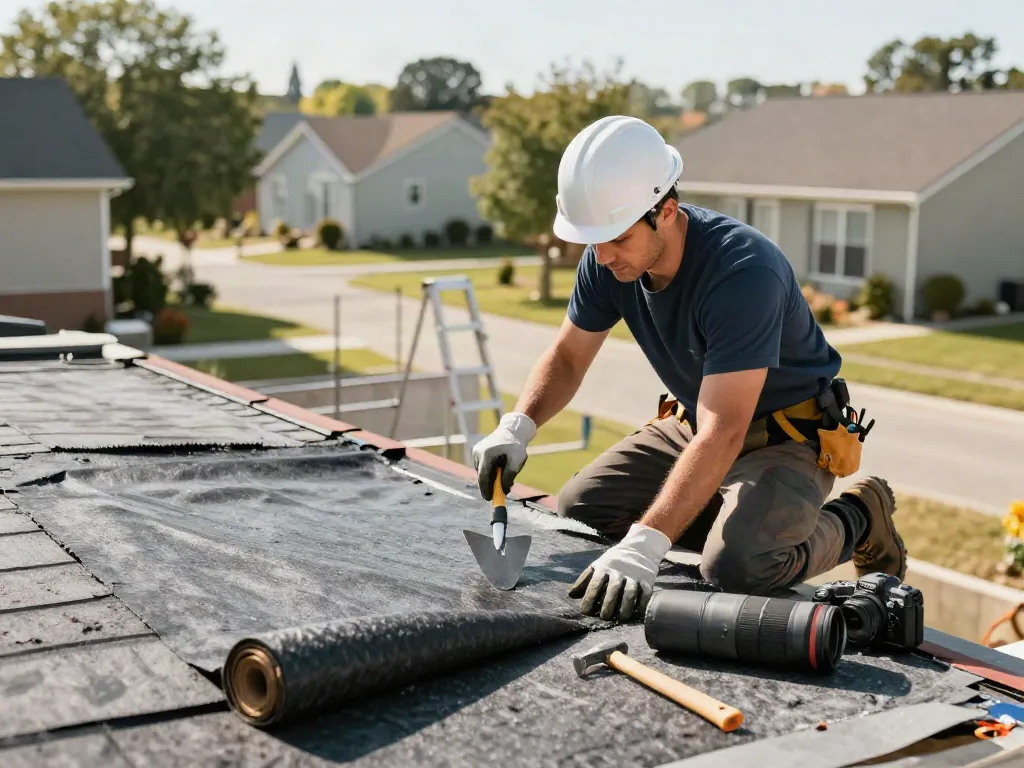
Understanding Felt Roof Replacement Basics
Felt roofing is a popular choice for many homeowners due to its affordability and effectiveness as a waterproofing system for flat roofs. However, like any roofing material, it has a limited lifespan and will require eventual replacement. In this comprehensive guide, we will delve into the essential aspects of felt roof replacement, including its characteristics, signs that indicate a need for replacement, material options, and the replacement process itself. Armed with this knowledge, you’ll be better equipped to make informed decisions on maintaining or replacing your felt roofing.
What is Felt Roofing?
Felt roofing refers to a type of roofing system that utilizes a membrane made from felt, which is a thin layer of material composed primarily of bitumen. This membrane is typically laid on flat or low-pitched roofs and secured with nails or adhesive, providing an effective barrier against moisture. Felt roofing is often chosen for garages, garden sheds, and extensions because of its cost-effectiveness and ease of installation.
Importance of Professional Installation
While some homeowners may consider DIY installation for felt roofing, it is crucial to understand that professional installation significantly impacts the longevity and effectiveness of the roof. Experienced roofers are trained to handle the specific techniques required for sealing seams and edges, minimizing the risk of leaks and water intrusion. Proper installation not only extends the lifespan of the roof but can also save homeowners money in the long run by preventing costly repairs.
When to Consider a Replacement
Knowing when to replace a felt roof is vital for maintaining the integrity of your home. Signs of deterioration such as bubbling, cracking, or significant water pooling are indicators that your roof may need to be replaced. Other factors, such as age and previous repairs, should also be assessed to determine the best course of action.
Evaluating Your Current Felt Roof
Signs Your Felt Roof Needs Replacement
Identifying the symptoms of a failing felt roof early can avert major damage and repair costs. Common signs include:
- Visible cracks or splits in the felt material.
- Pooling water on the roof after rainfall.
- Bubbling or blistering sections that may indicate trapped moisture.
- Degradation of the felt around edges and seams.
- Leaks in the interior of the home, particularly after rain.
Common Manufacturer Issues
Sometimes, the issues with felt roofing can stem from the materials used. Low-quality felt can age prematurely, leading to faster degradation. Homeowners should consult with roofing specialists to assess the quality of their existing felt and determine if product issues might warrant an earlier replacement than expected.
How to Assess Roof Damage
To accurately determine the condition of your felt roof, conduct a thorough inspection of both the exterior and interior of your home. Look for:
- Discoloration or damp patches on ceilings and walls.
- Exposed areas where the felt may have lifted.
- Damage to the underlying structure, especially around seams and joints.
If you're unsure of how to proceed, hiring a professional to evaluate the roof can provide peace of mind and accurate insights.
Choosing the Right Materials for Replacement
Types of Felt Roofing Materials Available
When it comes to felt roof replacement, there are several material options available. Modern felt systems typically include:
- Torch-on Felt: A robust option that uses heat to bond layers, providing a waterproof finish.
- Cold Applied Felt: This type uses adhesives instead of heat and can be easier to install but may not be as durable.
- Modified Bitumen: Offers enhanced strength and flexibility with additives that make the material more resistant to damage.
Cost Considerations for Materials
Cost is a significant factor when selecting roofing materials. Factors influencing pricing include the type of material chosen, the size of the roof, and installation fees. While opting for cheaper materials may seem appealing initially, investing in high-quality products often pays off by reducing maintenance costs and extending the roof’s lifespan.
Eco-Friendly Options for Roofing
As sustainability becomes more crucial for homeowners, eco-friendly roofing options have emerged. Consider materials such as:
- Recycled Felt: Roofs made from recycled materials can effectively reduce waste and environmental impact.
- Green Roof Systems: Integrating vegetation can offer excellent insulation and reduce run-off.
The Replacement Process: Step-by-Step
Preparation Steps Before Replacement
Before you embark on a felt roof replacement, there are several preparatory steps to follow:
- Clear the area of debris and any existing roofing materials.
- Inspect the underlying structure for damage and make any necessary repairs.
- Gather all required materials and tools to ensure a smooth installation process.
Installation Techniques for Optimal Results
The installation of a new felt roof requires a systematic approach to ensure durability and effectiveness. Key techniques include:
- Ensuring proper adhesion and sealing at all seams and edges.
- Overlapping layers appropriately to create a continuous barrier against water intrusion.
- Installing adequate drainage systems to minimize pooling.
Post-Replacement Care and Maintenance
Once the replacement is complete, routine maintenance is essential to prolong the life of your new roof. Regular inspections, prompt repair of any damage, and clearing debris will help maintain optimal conditions and performance.
Comparing Quotes and Finding the Right Contractor
What to Look for in a Roofing Contractor
Choosing the right contractor for your felt roof replacement is crucial. A reliable contractor should have a proven track record, appropriate licensing, and insurance. They should also be able to provide references from previous work.
Understanding Quotes and Pricing
When evaluating roofing quotes, pay close attention to:
- Breakdown of costs for materials and labor.
- Proposed timelines for completion.
- Warranty information and post-installation services.
Using Online Services to Find Local Specialists
Utilizing online services can greatly simplify the search for qualified roofing contractors. Websites like felt roof replacement platforms allow you to compare multiple quotes from local specialists, helping you make an informed decision.
What to Ask Before Hiring?
Prior to committing to a contractor, ask about:
- Their experience with felt roofing.
- Details on the materials they plan to use.
- How they handle unexpected issues during installation.
How to Verify Credentials and Experience?
To confirm the reliability of a roofing contractor, perform checks such as:
- Reviewing their online presence, including customer reviews and testimonials.
- Verifying licenses and insurance documentation.
- Asking for a portfolio of previous work similar to yours.