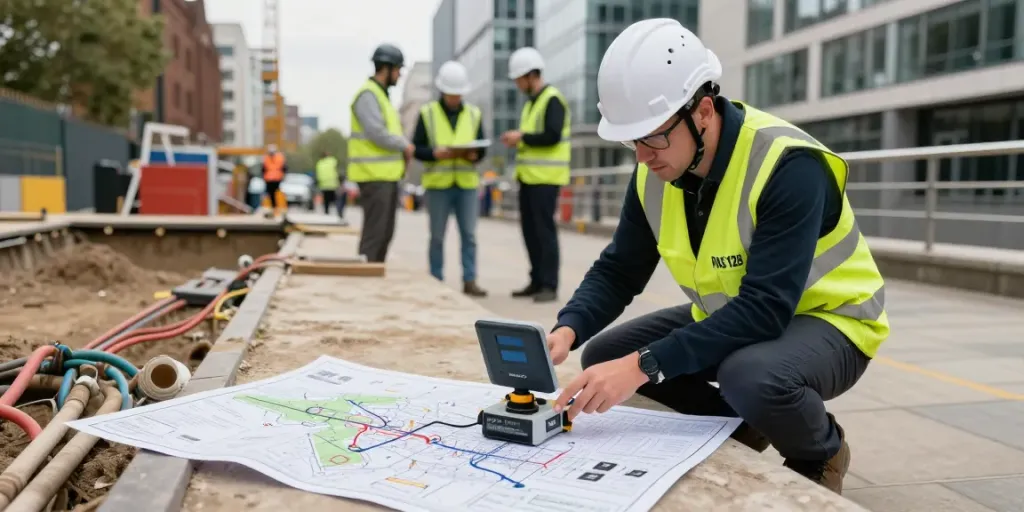
Understanding PAS 128 Surveys
In today's fast-paced construction and infrastructure development landscape, the accurate detection and mapping of underground utilities have become more critical than ever. This necessity is encapsulated in the PAS 128 Survey, a specification that sets the standard for utility mapping in the UK. It is vital for construction professionals, engineers, and project managers to comprehend the significance of these surveys to ensure project safety, efficiency, and budget control. When exploring options, PAS 128 Survey London provides comprehensive insights into the processes involved and the benefits of compliance.
What is a PAS 128 Survey?
A PAS 128 Survey is a structured methodology for the detection and mapping of underground utilities. It was developed by the British Standards Institution (BSI) to address the growing need for reliable information regarding the location of buried services such as water, gas, electricity, and telecommunications. The essence of a PAS 128 Survey is to categorise utilities based on their Quality Level (QL), which informs users about the confidence level of the data collected during the survey.
There are four distinct Quality Levels, ranging from QL-D, which indicates the least confidence in the accuracy of the data, to QL-A, which represents verified locations of utilities through direct exposure. This tiered approach provides project teams with a systematic way to assess risk and make informed decisions based on the precision of the utility data available.
Importance of PAS 128 Compliance
Compliance with PAS 128 is fundamental across various sectors, particularly in construction and civil engineering projects. Adhering to these standards not only mitigates risks associated with hitting underground utilities but also enhances the overall safety of the worksite. Moreover, it plays a crucial role in reducing financial losses caused by utility strikes, project delays, and potential legal liabilities.
In London, where infrastructure is dense and complex, the implications of failing to comply with PAS 128 can be severe. The cost of remedial works, project delays, and safety incidents can profoundly impact project budgets and timelines. Therefore, organisations that prioritise PAS 128 compliance are better equipped to manage these risks effectively and maintain operational efficiency.
Key Technologies in PAS 128 Surveys
Technological advancements have transformed the landscape of PAS 128 Surveys, enabling more accurate and efficient data collection methods. Key technologies include Ground Penetrating Radar (GPR), electromagnetic location, and advanced 3D mapping software.
- Ground Penetrating Radar (GPR): This non-destructive method uses radar pulses to image the subsurface, providing real-time data about the presence and condition of utilities.
- Electromagnetic Location: This technique involves inducing signals in buried utilities to trace their paths without the need for excavation.
- 3D Mapping Software: Advanced software allows surveyors to create detailed visualisations of utility layouts, enhancing the understanding of spatial relationships and aiding in project planning.
Choosing the Right Survey Provider
Identifying a competent PAS 128 survey provider is crucial for ensuring the accuracy and reliability of survey results. A survey provider's expertise directly impacts a project's success, making it imperative to assess potential partners carefully.
What Qualifications Should You Look For?
When selecting a survey provider, consider their qualifications and experience in the field. Look for certifications that demonstrate adherence to industry standards, such as membership in the Association of Utility Surveyors (AUS) or similar organisations. Additionally, ensure that they utilise up-to-date technologies and methodologies that comply with PAS 128 standards.
How to Evaluate Customer Reviews
Reviews and testimonials from previous clients offer valuable insights into a survey provider’s reliability and performance. Look for feedback on their communication, timeliness, and the accuracy of their survey results. A consistent pattern of positive reviews can indicate a reputable provider that prioritises customer satisfaction.
Cost Considerations for PAS 128 Survey London
The cost of a PAS 128 survey in London can vary significantly depending on several factors, including the size of the area being surveyed, the complexity of the utility networks, and the level of detail required. It is essential to obtain detailed quotes from multiple providers and understand the scope of services offered. Investing in a thorough PAS 128 survey upfront can save time and money in the long run by preventing costly surprises during construction.
Typical Challenges in PAS 128 Surveys
Despite the importance of PAS 128 surveys, various challenges can arise during the surveying process. Understanding these challenges can help stakeholders prepare and mitigate risks effectively.
Common Misconceptions about PAS 128
One common misconception is that a PAS 128 survey guarantees the complete identification of all underground utilities. While these surveys enhance the accuracy of utility location, they cannot account for undocumented or unregistered services. Therefore, it is critical to approach PAS 128 as a tool for risk management rather than a foolproof solution.
Obstacles in Utility Detection
Several factors can impede the effectiveness of PAS 128 surveys. These include:
- Environmental Conditions: Weather conditions such as rain or snow can affect the performance of GPR equipment, leading to less accurate results.
- Urban Density: In cities like London, the high density of utilities can complicate detection and increase the likelihood of overlapping signals.
- Historical Records: Inconsistent or incomplete records of existing utilities can lead to gaps in data collection.
How to Overcome Survey Limitations
To mitigate the challenges associated with PAS 128 surveys, stakeholders can employ several strategies:
- Multimodal Approaches: Using a combination of different technologies (e.g., GPR and electromagnetic location) can enhance accuracy.
- Pre-Survey Research: Gathering existing records and conducting initial site assessments can provide valuable context that improves survey outcomes.
- Training and Expertise: Ensuring that survey teams are well-trained and experienced can reduce the impact of environmental and technical challenges.
Best Practices for Successful Implementation
Implementing best practices is essential for maximising the effectiveness of PAS 128 surveys and ensuring that the data gathered is reliable and actionable.
Planning Your Survey Effectively
Effective planning involves defining the project’s scope and objectives clearly. Engaging with stakeholders early in the process can help identify specific needs and potential risks associated with underground utilities.
Using Technology for Enhanced Accuracy
Adopting the latest technologies and software for data collection and analysis can significantly improve survey results. Continuous investment in training for personnel on new tools and methods is also vital to maintaining a competitive edge in utility surveys.
Collaboration with Project Teams
Collaborative communication among all project stakeholders is essential to ensure that utility survey data is integrated effectively into project plans. This collaboration helps to anticipate potential issues and promotes a culture of safety and efficiency on-site.
Future Trends in Utility Surveying
The field of utility surveying is evolving rapidly, with several trends expected to shape its future up to 2026 and beyond.
Innovations Expected by 2026
Emerging technologies such as drones and automated surveying equipment promise to revolutionise the way utility surveys are conducted. These innovations can enhance data collection efficiency, reduce costs, and improve safety on construction sites.
Sustainability in Utility Mapping
Sustainability is becoming a central focus in infrastructure development. Future utility surveys will likely prioritise eco-friendly practices, including minimising disruptions to existing landscapes and employing sustainable materials in survey operations.
The Role of AI in PAS 128 Surveys
Artificial intelligence is set to play an increasingly significant role in processing and analysing data collected during PAS 128 surveys. AI can streamline data interpretation, enhance accuracy, and assist in predictive modelling, thus providing even greater insights into underground utility networks.