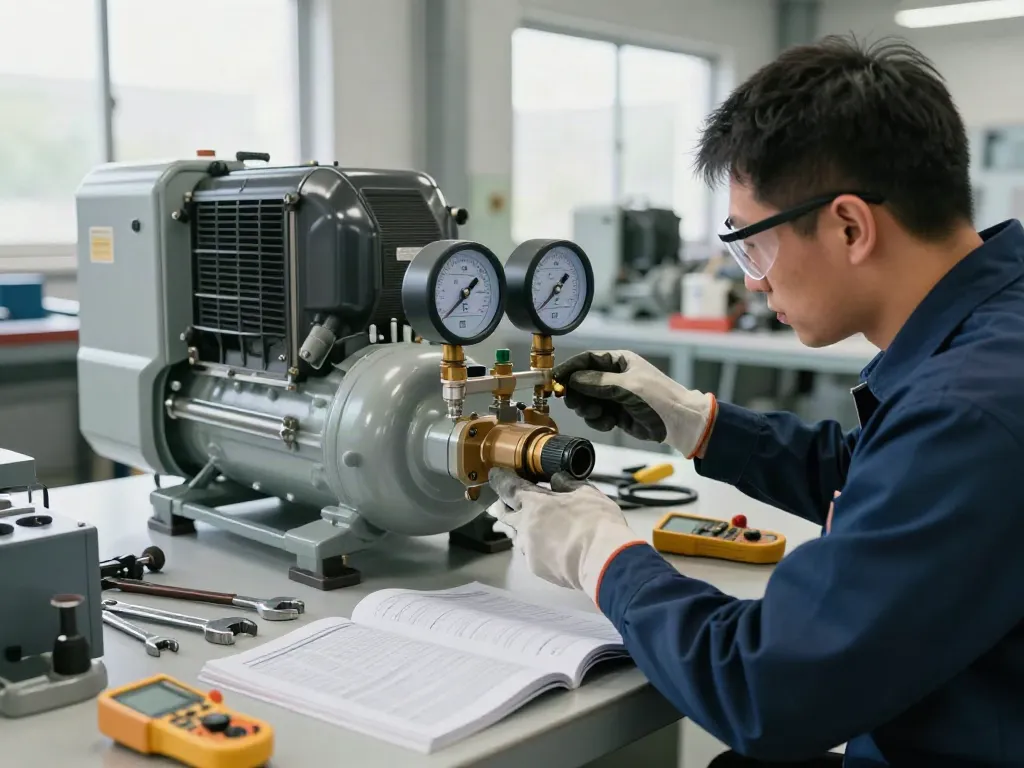
Understanding Air Compressor Pressure Switches
An air compressor pressure switch is a critical component in various applications, playing an essential role in controlling the operation of air compressors and water pumping systems. These switches are designed to automatically start and stop the motor based on preset pressure levels, ensuring that equipment operates efficiently and safely. In this article, we'll delve into the mechanics and benefits of air compressor pressure switches, explore common types, and provide insights into identifying problems and best practices for installation and maintenance.
When exploring options, air compressor pressure switch models vary significantly in quality and functionality. By understanding these differences, users can select the best pressure switch for their needs.
What is an air compressor pressure switch?
An air compressor pressure switch is an electrically operated device that monitors the pressure in an air compressor system. It typically consists of a diaphragm, electrical contacts, and an adjustment mechanism. The primary function of the pressure switch is to open or close at certain pressure thresholds, toggling the compressor motor on and off accordingly. This automation allows for efficient operation and extends the compressor's lifespan by preventing it from running continuously.
Key functions and benefits of a pressure switch
- Automatic Control: The pressure switch enables automatic starting and stopping of the compressor, which prevents pressure fluctuations and improves system efficiency.
- Protection: By operating within predefined pressure limits, these switches help safeguard the compressor from damage due to over-pressurization or running dry.
- Energy Efficiency: Reducing motor run time conserves energy, lowering operational costs and extending the lifespan of the compressor.
- Reliability: High-quality pressure switches are designed to withstand harsh conditions, ensuring consistent performance in demanding applications.
Common types of air compressor pressure switches
Pressure switches can be classified into various types based on their application and design features:
- Standard Pressure Switches: Typically found in commercial compressors, these switches are straightforward, operating on a simple open/close principle.
- Adjustable Pressure Switches: These allow users to customize the cut-in and cut-out pressures, making them versatile for different applications.
- Electronic Pressure Switches: Employing advanced technology, these switches provide digital pressure readings and can integrate with other systems for enhanced control.
- Combination Pressure Switches: These units combine pressure switches with other control options, such as timers or heaters, for added functionality.
Identifying Issues with Your Pressure Switch
Identifying problems with your air compressor pressure switch is crucial to maintaining optimal performance. A malfunctioning switch can lead to inefficiencies, increased energy costs, and potential damage to the air compressor itself. Understanding the signs of a faulty switch can help users troubleshoot issues before they escalate.
Signs of a faulty air compressor pressure switch
- Inconsistent Pressure: If the compressor fails to maintain the desired pressure levels, the pressure switch may be malfunctioning.
- Compressor Running Constantly: A switch that does not turn off might indicate a failure to recognize the cut-off pressure.
- Frequent Cycling: If the compressor frequently cycles on and off, it could suggest an issue with the pressure settings or switch calibration.
- Visible Damage: Cracked housing or worn electrical contacts are physical signs that the switch may need replacement.
How to diagnose common pressure switch problems
Diagnosing pressure switch issues involves several systematic steps:
- Check for Power: Ensure that the pressure switch is receiving power and that there are no blown fuses or tripped circuit breakers.
- Inspect Connections: Look for loose or corroded wiring connections that might prevent the switch from functioning properly.
- Test the Pressure Settings: Use a reliable pressure gauge to confirm that the switch is accurately reading the system pressure.
- Monitor Cycling: Observe the operation of the compressor to determine whether the pressure switch is responding appropriately during cycles.
Preventive measures to extend switch life
Maintaining the air compressor pressure switch can significantly extend its operational life. Here are some preventive measures:
- Regular Inspection: Conduct routine checks for visible wear and damage.
- Proper Installation: Ensure the switch is installed according to manufacturer specifications to prevent undue stress.
- Regular Cleaning: Keep the switch and surrounding area clean from dust and debris that may affect operation.
- Calibration Checks: Periodically verify and recalibrate the pressure settings to ensure they remain within specifications.
Installation and Maintenance Best Practices
Proper installation and regular maintenance of your air compressor pressure switch are vital to ensuring optimal performance and longevity. Following best practices can reduce the likelihood of switches failing prematurely.
Step-by-step guide to installing a pressure switch
- Power Down: Turn off all power to the compressor before beginning installation.
- Remove Old Switch: Carefully detach the old switch by unscrewing it from the system, taking care to note the wiring configuration.
- Install New Switch: Position the new switch in place and securely attach it, ensuring that it is properly aligned with the system's mounting bracket.
- Reconnect Wiring: Attach the wires to the new switch, ensuring correct polarity and secure connections.
- Test Functionality: After installation, restore power and test the functionality of the switch to ensure it operates correctly.
Routine maintenance tips for air compressors
In addition to maintaining the pressure switch, regular air compressor maintenance is essential:
- Check and replace air filters as needed.
- Inspect hoses and fittings for signs of wear or damage.
- Change oil and maintain lubrication on a schedule recommended by the manufacturer.
- Drain moisture from the tank regularly to prevent corrosion and ensure efficient operation.
How to recalibrate and adjust pressure settings
Adjusting the pressure settings on a pressure switch is relatively simple:
- Locate Adjustment Screws: Most switches have two adjustment screws: one for cut-in pressure and one for cut-out pressure.
- Use a Pressure Gauge: Connect a pressure gauge to the air compressor to monitor pressure as you make adjustments.
- Adjust Cut-In Pressure: Turn the cut-in screw clockwise to increase pressure and counter-clockwise to decrease.
- Set Cut-Out Pressure: Repeat the adjustment for the cut-out screw, setting it above the cut-in pressure to maintain an operational gap.
Comparing OEM vs Aftermarket Pressure Switches
When it comes to choosing the right pressure switch, understanding the differences between OEM (Original Equipment Manufacturer) and aftermarket options is critical.
Advantages of using OEM pressure switches
- Quality Assurance: OEM switches are designed specifically for the original equipment, ensuring compatibility and reliable performance.
- Warranty Support: Many OEM products come with warranties that protect the end-user from defects.
- Consistent Performance: Using OEM parts guarantees that the switch will function as intended, reducing the likelihood of failures.
Considerations for aftermarket switch choices
Aftermarket pressure switches can be a viable option, especially for cost-sensitive applications. However, consider the following:
- Compatibility: Ensure that the aftermarket switch matches the specifications of the OEM part.
- Reputation of Manufacturer: Research the manufacturer’s track record for quality and reliability before purchasing.
- Return Policy: Check for return policies or warranties that may cover defective parts.
Cost-effectiveness analysis for high-volume markets
In high-volume markets, cost-deficiency is a crucial factor. Evaluating the long-term costs of OEM versus aftermarket switches can yield significant savings. While OEM switches may have a higher upfront cost, the reduced failure rates and warranty coverage can make them more economical in the long run.
Future Trends in Pressure Switch Technology
The pressure switch market is evolving, driven by advancements in technology and changing industry needs. Here's a look at what to expect in the coming years.
Innovations expected in pressure switch design by 2026
- Smart Technology: Integration of IoT capabilities for remote monitoring and control will enhance functionality and user experience.
- Improved Sensors: Adoption of more sensitive and durable sensors to improve accuracy and response time.
- Compact Designs: Development of smaller, more efficient designs to fit into tighter spaces without sacrificing performance.
Impact of automation on pressure control systems
As automation becomes more prevalent, pressure switches will likely integrate with broader control systems to enhance operational efficiency. This includes automated adjustments based on real-time data, reducing human intervention and ensuring consistent performance.
Emerging applications in water pumping systems
Pressure switches are increasingly being used in advanced water pumping applications, including:
- Smart Irrigation Systems: Automatically adjusting water flow based on soil moisture levels.
- Industrial and Commercial Applications: Ensuring consistent pressure in multi-story buildings or during high-demand periods.
What other users want to know:
How do I know if my air compressor pressure switch is bad?
As mentioned earlier, signs of a malfunctioning pressure switch include inconsistent pressure readings, constant running of the compressor, and visible damage to the switch itself.
How do I adjust an air compressor pressure switch?
Adjustments can be made using the designated screws for cut-in and cut-out pressures while monitoring with an external pressure gauge.
Does an air compressor need a pressure switch?
Yes, a pressure switch is essential for regulating the operation of an air compressor, ensuring it starts and stops based on the pressure requirements.
How to reset compressor pressure switch?
Resetting a pressure switch usually involves turning off the power to the compressor and manually adjusting the reset mechanism, often located on the body of the switch.